history of park
- WE NEED YOUR SUPPORT NOW!
- JOIN THIS PETITION NOW!
- SAVE YOUR FARM NOW!
- SPREAD THE WORD NOW!
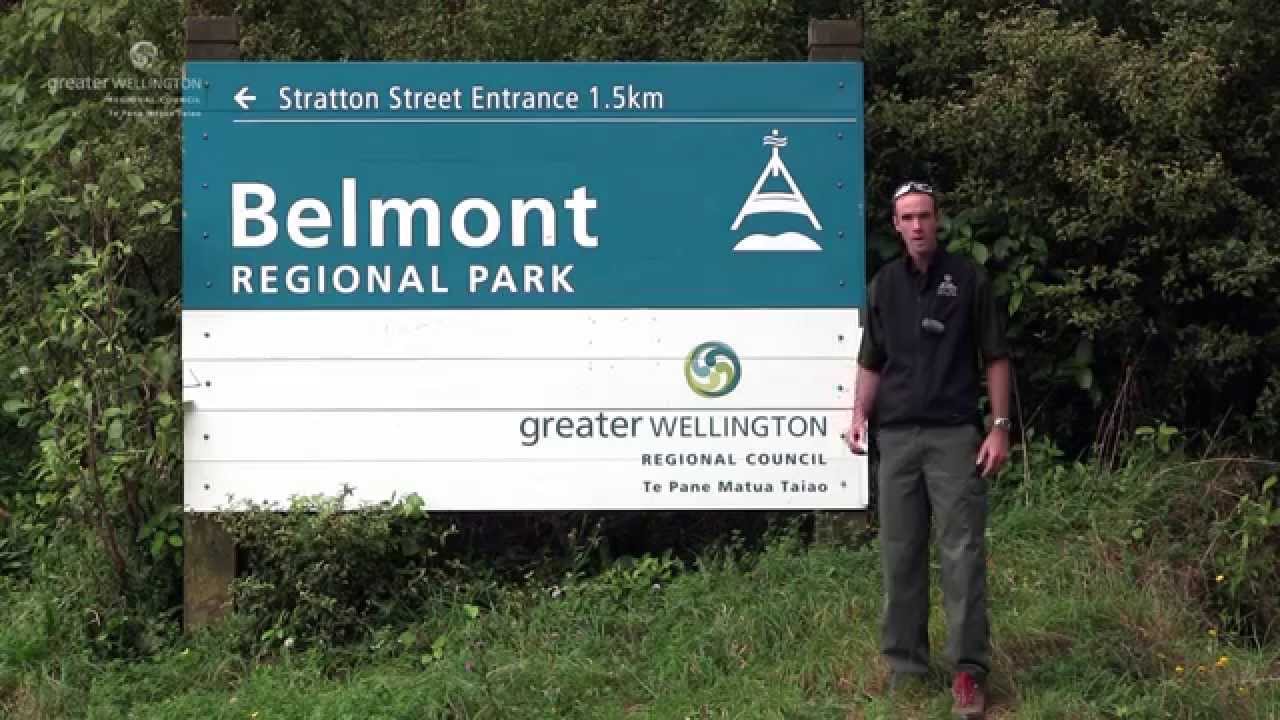
Belmont Regional Park
Belmont Regional Park was the first park in New Zealand to combine land for recreation, conservation and farming purposes.
Belmont Regional Park – A Vital Public and Farming Asset
Farming began 1860-1870
As European settlement progressed, sawmills were set up in the vicinity of the land which is now included in the Regional Park. In 1859, the Carter and Hurly sawmill was erected on Thomas Stace's property and in 1863 another sawmill was built on Francis Bradey's property at Duck Creek. Recollections of the Hutt Valley from the 1860s, note that the forests of the Belmont hills were being felled on one side of the Valley whilst the bush of the Wainuiomata Hills was being cleared on the other side. The land was then burnt off. Sometimes bush fires resulted. The valley would be covered in ash and burnt leaves and settlers had to be vigilant that their shingle roofs did not catch fire.
From the 1870s, the land tenure of many of the sections that would later be included within the Belmont Park began to change. William Fitzherbert, Member of Parliament for the Hutt from 1858 to 1879, had owned land on the floor of the Hutt Valley since 1864. During the 1870s, he began to acquire western hillside land as he extended his property to form the Western Hutt sheep station. Although many of his purchases included land now covered by the suburbs of Korokoro, Maungaraki and Normandale, Fitzherbert also acquired some of the sections now included within the Regional Park including Section 301 from the Golder family in 1877, Section 424 from James Buick in 1879, and Section 423 from James McKenzie in 1883. Thomas Stratton became the farm manager of the continually increasing Western Hutt sheep station.
A Regional Treasure
Belmont Regional Park officially opened on 2 April 1989. By 2005, the entire area was secured in public ownership and has since been managed by Greater Wellington Regional Council (GWRC).
The park is as stated by GWRC chair Fran Wilde in January 2015 “A new farm hub constructed at Belmont Regional Park will assure the viability of farming on the park into the future and provide a new point of interest for visitors”.
Strategic WWII History
During World War II, the Public Works Department built 62 concrete ammunition magazines across 1000 hectares of parkland. Disguised to resemble a poultry farm from the air, these structures played a key role in national defence.
Productive Farming Legacy
The farm was managed by Landcorp until around 10 years ago, after which it was leased to a private operator. This lease has generated steady income for GWRC and contributed to regional food production. The current lease expires in January 2026. Without active farming, the land will quickly become overgrown with rank grass, weeds, and gorse—significantly increasing the risk of fire.
Environmentally Sound
Ongoing water testing shows the farm maintains high environmental standards, with clean waterways and responsible land management practices.
Efficient Land Use
The farm occupies less than 39% of the park’s total land area, yet delivers significant value—both economically and recreationally
Upcoming Uncertainty
The current lease expires in January 2026. Without a plan to continue farming, we stand to lose:
1. Approximately 210,000 kg of beef and lamb per year
2. More than $100,000 - in annual revenue for GWRC
3. A proven model of sustainable, high-standard farming
4. A Valuable Learning Hub
5. The farm has supported:
Veterinary students, with 3-week practical sheep and beef placements.
Secondary students, gaining 23 NCEA credits through weekly Primary ITO visits.
Kindergartens, offering young children rare hands-on experience with farm animals and rural life.
Cultural Neglect
The Kilmister Track is home to historic Māori sites, now overgrown with gorse. These important cultural sites deserve care, restoration, and respectful management.
Kilmister Block – Protected by the People
The Kilmister Block, owned by Hutt City Council, was nearly sold in 1999 but was saved thanks to strong public opposition. It remains part of Belmont Regional Park and is managed by GWRC.
It is classified as a Recreation Reserve, which requires governance under a public consultation-based management plan as outlined in the Reserves Act.
Under the Reserves Act 1977 in New Zealand, farming may be permitted on recreation reserves or parts of them under certain conditions. If a recreation reserve or part of it is not immediately needed for its intended purpose, or if the administering body deems it in the public interest, farming or grazing can be allowed through leases granted by the administering body or the Minister.
.jpg)